
Cholesterol
High Cholesterol, also known as hyperlipidemia is a major risk factor for cardiovascular disease including heart attack and stroke. Total cholesterol is composed of many components including bad cholesterol and good cholesterol.
When looking at cholesterol for patients we evaluate both bad and good cholesterol. We need cholesterol for proper functioning but too much bad cholesterol, or too little good cholesterol can lead to adverse events. When we talk about bad cholesterol we are referring to LDL, triglycerides, among other forms of cholesterol. When we talk about good cholesterol we are referring to HDL. While there are ranges of normal for these levels, your provider will often look at the whole picture including a LDL/HDL ratio and a risk score to determine the likelihood you may experience an adverse event within the next 10 years.
Let’s talk about risk factors:
Diet high in saturated fats
Lack of exercise
Smoking
Excess alcohol intake
Aging
Genetics
Diabetes
Kidney disease
Being overweight
Women after menopause
Treatment of high cholesterol
For all patient we recommend lifestyle changes. The Mediterranean, DASH, vegetarian, and vegan diets have all been showed to lower LDL and or risks of a cardiovascular event. The importance of aerobic exercise is stressed. We recommend 150 minutes a week of moderate intensity exercise. We recommend maintaining a healthy weight. Lastly, aggressive management of any other medical conditions such as diabetes or high blood pressure.
Some dietary supplements that may benefit include: omega-3 fatty acids, red yeast rice, berberine, and probiotics. Omega-3 fatty acids can be taken as a supplement or found in foods such as fatty fish (salmon, herring, mackerel, trout), flaxseed, and some nuts among others.
If dietary and lifestyle modifications alone do not lower cholesterol levels sufficiently, medications can be added. There are multiple classes of medications used to lower bad cholesterol. These include statins, zetia, PCSK9 inhibitors, fibric acid derivatives, and bempedoic acid.
While lowering bad cholesterol is one are to decrease risks of a cardiovascular event, another way to decrease risk is to improve good cholesterol. Increasing HDL can be achieved through regular aerobic exercise 150 minutes weekly, consuming a diet of healthy fats such as fatty fish, avocadoes, nuts, and olive oil, losing weight, quitting smoking, increasing soluble fiber such as oats, fruits, and beans, drink alcohol in moderation, limit processed food, limit saturated/trans fats.
There are many ways to make sure your cholesterol is at optimal levels. Make sure to have a discussion with your provider. If you do not have a provider, we would love to take care of you!
How to Schedule an Appointment with Dan
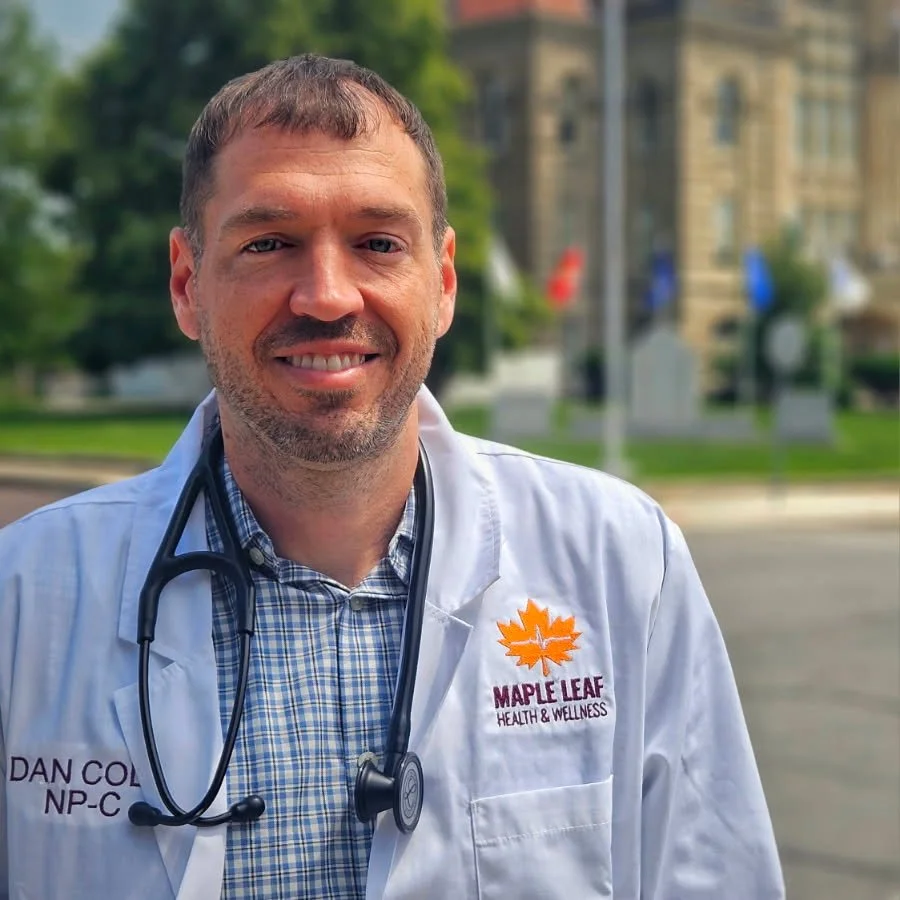
To make an appointment with Dan head over to our scheduling link. After you submit the information, Dan will reach out and offer appointment times.
Thank you for reading and I hope you have a wonderful day,
-Dan with Maple Leaf Health and Wellness