

Managing blood pressure
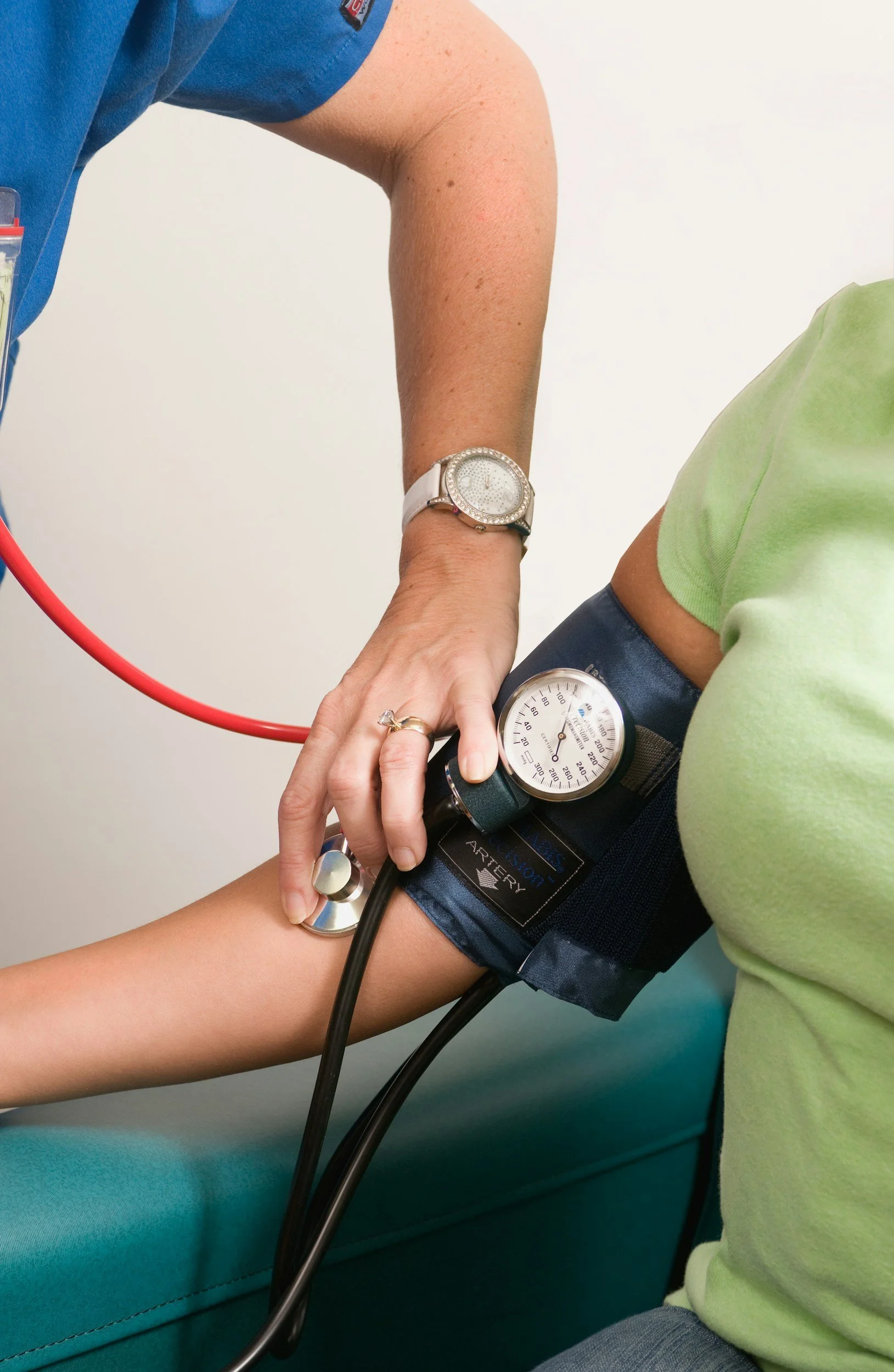
High blood pressure is a major risk factor for stroke and heart disease. There are many risk factors for high blood pressure such as:
Advancing age
Obesity
Family history
Race
Diet high in salt
Excessive alcohol intake
Physical inactivity
Less than 7 hours of sleep each night
Birth control
Anti-inflammatory medicine (NSAIDs) such as ibuprofen, aleve, motrin
Drug abuse
Kidney disease
Sleep apnea
Thyroid disorders
Diabetes
Smoking
Complications
There are many complications associated with high blood pressure including heart failure, stroke, brain bleed, heart attack, and kidney disease. In fact, high blood pressure is the single most prevalent modifiable risk factor for premature heart disease, more common than smoking, high cholesterol, and diabetes. With increase in blood pressure comes an increased risk for a cardiovascular event. Risk for heart disease or stroke begins to rise once blood pressure is greater than 115/75. The risk of death from heart attack or stroke begins to double for every increase of 20 mmHg for systolic blood pressure and 10 mmHg diastolic blood pressure, or every increase of 20/10.
Blood pressure staging
Normal BP- <120/<80
Elevated BP-120-129/<80
Stage 1 BP-130-139/80-89
Stage 2 BP->140/>90
Severe BP->180/>120
Treatment
Lifestyle modification is a treatment for all individuals with high blood pressure or at risk for high blood pressure. Some lifestyle modifications include weight loss. The most ideal scenario is to be at ideal body weight but even losing just 2 pounds can have an impact. Studies show that blood pressure can drop approximately 1 mmHg for every 2 pounds lost. Healthy diet, DASH diet, can lead to a decrease of 11 mmHg. Consume a diet rich in fruits, vegetables, lean meats and fish, whole grains, and low fat dairy products, while limiting saturated and total fat. Reduce salt intake, this can lead to a reduction up to 5-6 mmHg. Optimal goal is less than 1500mg a day of sodium but try to reduce salt intake by at least 1000mg a day. A diet rich in potassium can reduce blood pressure up to 4 mmHg. Try to get at least 3500-5000 mg a day of dietary potassium as long as not contraindicated by presence of kidney disease or medications that cause the body to retain potassium. Reducing alcohol consumption can lead to an improvement in blood pressure of up to 4 mmHg. Males should aim to drink 2 or less drinks daily and females to 1 or less drinks daily. Lastly, exercise both cardio and weight resistance. 90-150 minutes of moderate cardiovascular exercise can reduce blood pressure up to 5-8 mmHg and weight training the same amount of time can reduce blood pressure up to 4 mmHg.
In select patients, antihypertensive medications are indicated. There are many categories of medications used to treat high blood pressure. Make sure to have a discussion with your provider about managing your blood pressure. If you do not have a provider, we would love to take care of you!
How to Schedule an Appointment with Dan
To make an appointment with Dan head over to our scheduling link. After you submit the information, Dan will reach out and offer appointment times.
Thank you for reading and I hope you have a wonderful day,
-Dan with Maple Leaf Health and Wellness